Aqua Tofana has been described as a clear, tasteless liquid designed to be deadly and hard to trace. It contained arsenic, lead, and possibly belladonna, and it could be mixed with water and wine and served to thirsty victims who wouldn’t know what hit them.
“Some records suggest [Tofana’s] mother invented it and passed the recipe to her,” Hayes' Principles and Methods of Toxicology reads.
Tofana’s clients were mainly women, especially those trapped in unhappy or abusive marriages at a time when there were few safe options for them to leave. Tofana’s poison was sold as a beauty product or medicinal item so it could be obtained discreetly.
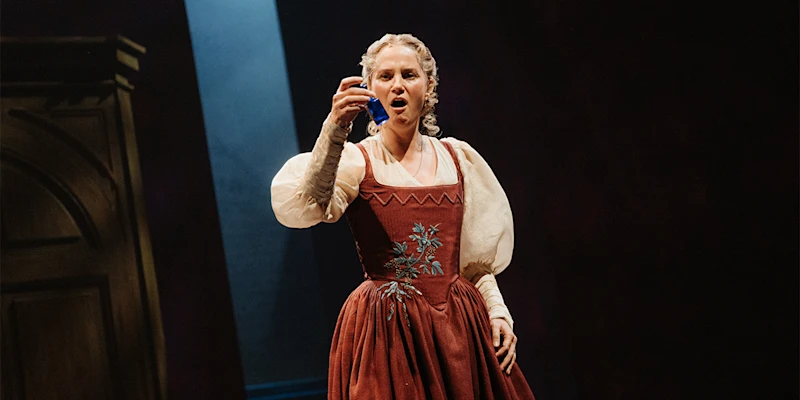
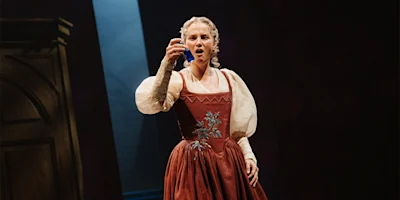
As Hayes’s account notes, the deception was very clever since the active ingredient in the toxin was arsenic, which could be used to treat skin disorders. Aqua Tofana came in vials labeled with images of Saint Nicholas of Bari, a fourth-century Christian bishop known for his generosity, compassion, and care for people in need.
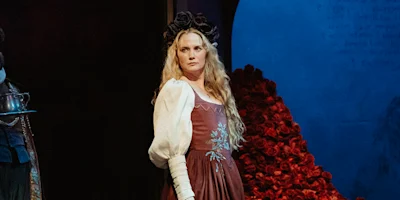
In her own way, Tofana cared for people who needed help, and the musical explores the grey area between the "right" and "wrong" of her choices. What does it mean to do the wrong thing for the right reasons, and who decides which is which?