


Photo credit: The company of Spring Awakening in rehearsal. (Photo by Michaelah Reynolds)
A radically reimagined ‘Spring Awakening’ honors youth, femininity, and what generations share
Director Danya Taymor, choreographer Celia Rowlson-Hall, and music supervisor Or Matias discuss the intimate revival that celebrates the indelible mark of creators Steven Sater and the late Duncan Sheik.
When Tony Award-winning director Danya Taymor was asked to stage a revival of Spring Awakening, her immediate thought about the angst-ridden rock musical was the size of the venue it required. “My instinct was that it should be in a small space, and that part of the excitement of encountering the material now would be its intimacy,” Taymor said. “The show is so daring, bold, and thrilling that being close to it was what I was craving, and that is exactly how it feels.”
By returning to the show's raw and intimate roots, the highly anticipated Off-Broadway revival echoes the 2006 world premiere at Atlantic Theater Company before its Broadway debut the same year. Now in performances at Studio Seaview through April 4, 2027, the 20th-anniversary revival aims to honor the legacy of its late composer, Duncan Sheik, who co-created the show with Steven Sater. Showcasing a cast of fresh faces, this Spring Awakening aims to offer a close-up experience that appeals to both devoted fans and new audiences. It wants to connect generations — both on and off stage.
Based on Frank Wedekind’s historically suppressed 1891 play and set to a contemporary score, the story follows 19th-century German teens as they navigate sexuality, systemic repression, and coming of age. Book writer/lyricist Steven Sater won Tony Awards for both the script and the score, sharing the latter prize with Sheik, who also won for his orchestrations.
Those original orchestrations will remain in the new staging under the guidance of Drama Desk Award nominee Or Matias (Natasha, Pierre & the Great Comet of 1812). He said the revival is focused on bridging the gap between the show’s youth and adult characters, whose reluctance to tell the teens much about their changing bodies and desires yields consequences. Matias noted his interest in the story’s “generational cycles” and reflected on how witnessing love and relationships impacts young people and, in turn, the way they think as adults.
“Many themes in the play are so obviously affecting the youth but are also certainly affecting the adults,” Matias said, adding that the creative team is “trying to bring that a little more to the forefront.”
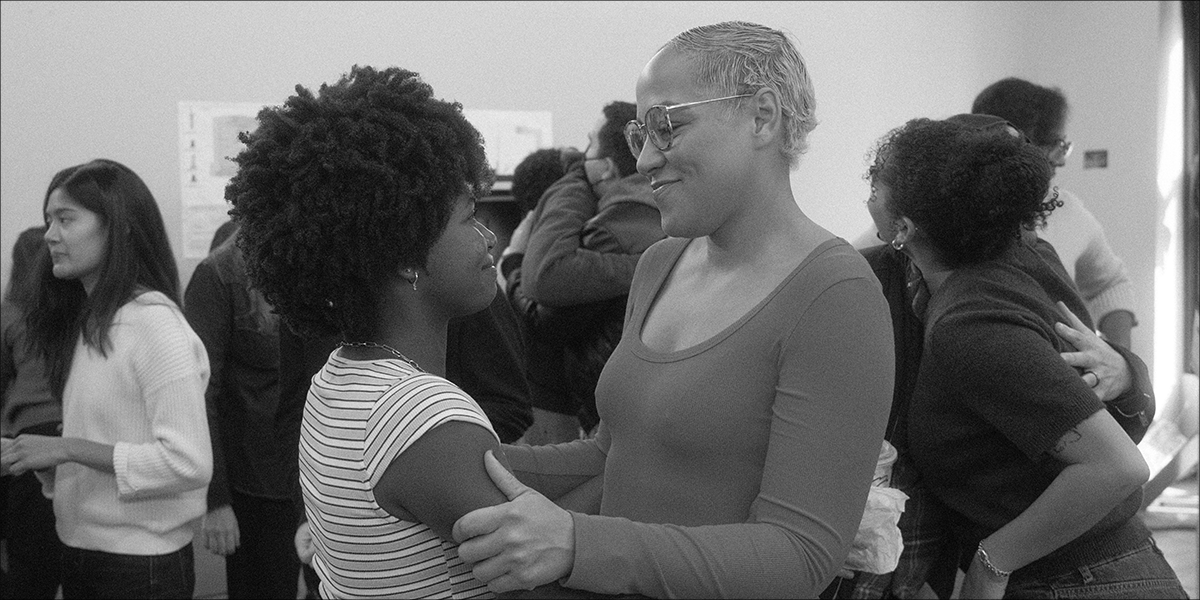
Taymor is placing a specific focus on the young women at the heart of the story. “I’m really interested in the character of Wendla and the character of Ilse, all the girls,” she said. “They’ve always been such a big part of the story. The musical opens with ‘Mama Who Bore Me’ and ends with ‘Purple Summer.’ I’ve been really inspired by the fact that Steven and Duncan wrote this musical that’s bookended by these two young girls singing and asking questions.”
Working with young casts is familiar territory for Taymor, who won her Tony for directing the Broadway musical adaptation of the classic novel The Outsiders, about rival teenage gangs. She earned a second Tony nomination for directing John Proctor Is the Villain, the teen dramedy that riffs on The Crucible with a cast of mostly young women. In Spring Awakening, she's working mostly with up-and-coming young talent, plus Broadway veterans George Abud and Lilli Cooper as the adults.
“It’s a privilege to get to work with people for whom it’s their first big job,” Taymor said. “I like to create a space where the actors can get in tune with their instincts, because when you can get a group of people working from instinct, they’re going to show you things you couldn’t know before.”
Her work on John Proctor directly informed how she approached the physical language of the girls in Spring Awakening. Through that play, she discovered “how interested I am in feral, wild female movement that is not hypersexualized,” Taymor said. This realization drew her to the work of Emmy-nominated choreographer Celia Rowlson-Hall (The Testament of Ann Lee), whose approach blends historical research with modern resonance.
“How did they move, how did they dance in 1891 Germany?" she explores alongside, she said, "themes of Americana and what we have rooted in our high schools and what our rituals are.” For Rowlson-Hall, the physical language must be visceral and empathetic. She described Sater’s writing as "poetry" that led her to ask, “What are these kids going through, and what are their bodies feeling like on the inside? And can we have that expressed on the outside [so] we can all feel it?”
“She’s accessing this movement and this wildness, but it’s not for anyone but the person doing it,” Taymor said of Rowlson-Hall's choreography. “Discovering that, and knowing Spring Awakening needed to be so embodied, was a guiding force in how we’re building this production and in finding her as the right collaborator.”
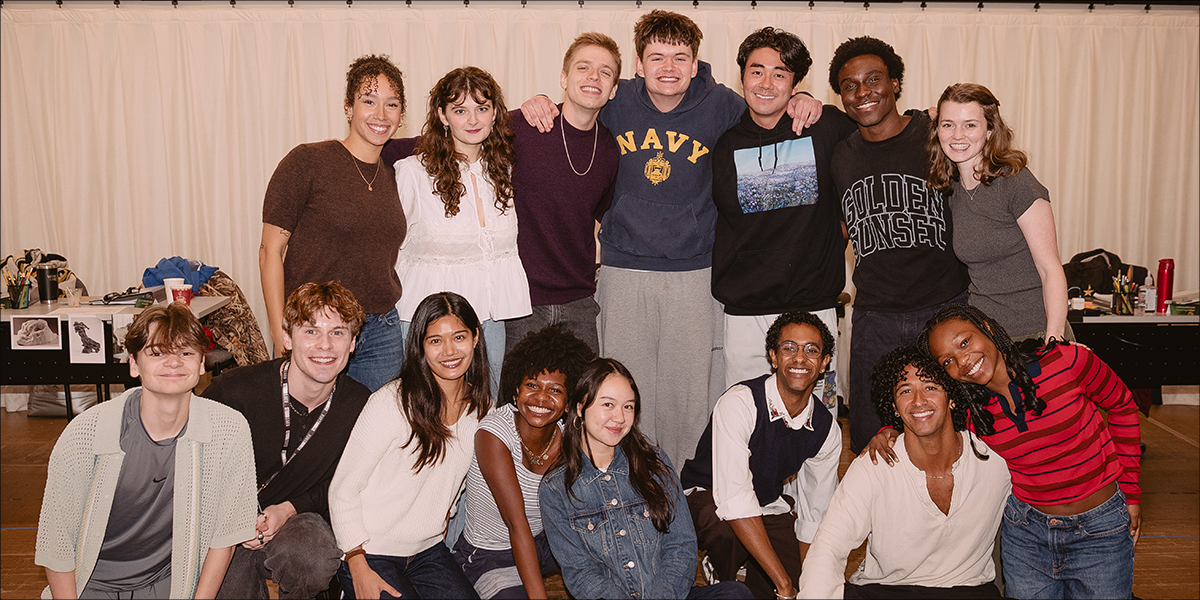
Like Taymor, Rowlson-Hall wants to mine the text for new perspectives. “It’s all so gorgeous, but what else is there that maybe hasn’t been found?” she said, adding that she and Taymor, as women, bring a different viewpoint than original production's male creative team. But, the choreographer continued, “I’m always interested in going beyond gender as well and just going for truth.”
Taymor just wants the staging to be authentic to Sater’s script. “With every image we create, our goal is that it comes from the music and the story,” she explained. “Hopefully we aren’t creating any superfluous images, and everything uncovered in this production is drawn directly from that material.” She added that the creatives are focused on a “different exploration of bodies and how we use them to explore storytelling and the environment.”
This revival also serves as a poignant tribute following the sudden loss of Sheik in September. “It is him and Steven all over this,” Taymor said. “These songs are so powerful. Just hearing the first chords of ‘Left Behind’ can bring tears to your eyes. That makes this musical coming back to the world at this moment so bittersweet. There is so much pain in the loss of Duncan and everything he contributed over the decades, but there is also something beautiful about his work living on in this moment.”
That enduring resonance, she observed, stems from a fearlessness that has defined Spring Awakening across centuries, from Wedekind’s historically suppressed text to the groundbreaking Broadway run. “I hope [this revival's] impact will be as powerful today as it was in 2006, or during the play’s very first production in 1905,” Taymor said. “It remains a classic because it continues to resonate. It took so long after 1891 to finally get a production because the material is so bracingly honest.
“I just hope we make something potent enough that any audience member, no matter their past or present, will see themselves reflected and recognize an experience they have had or are currently having, making them feel less alone,” she continued. “That is what this musical has done so well over the decades, and I hope this production can do the same.”
Get Spring Awakening tickets now.
Photo credit: The company of Spring Awakening in rehearsal. (Photos by Michaelah Reynolds)
Frequently asked questions
What is Spring Awakening about?
Spring Awakening is the Tony Award-winning rock musical about German teenagers coming of age and exploring their budding desires, dreams, and fears on their own when the adults refuse to let them understand.
How long is Spring Awakening?
The running time of Spring Awakening is 1hr 55min. No intermission.
Where is Spring Awakening playing?
Spring Awakening is playing at Studio Seaview. The theatre is located at 305 West 43rd Street, New York, 10036.
How much do tickets cost for Spring Awakening?
Tickets for Spring Awakening start at $97.
What's the age recommendation for Spring Awakening?
The recommended age for Spring Awakening is Ages 12+..
How do you book tickets for Spring Awakening?
Book tickets for Spring Awakening on New York Theatre Guide.
Is Spring Awakening on Broadway or Off-Broadway?
Spring Awakening is playing Off Broadway.
How long is Spring Awakening running?
Spring Awakening currently has tickets available through 4 April 2027. Check calendar for availability.
Who is in the cast of Spring Awakening?
The cast of Spring Awakening includes Jack Bateman (as Georg), Jada Simone Clark (as Thea), Leif Coomer (as Ernst), Ryo Kamibayashi (as Moritz), Ashlyn Maddox (as Wendla), Nando Morland (as Otto), Antonio Porciello (as Hanschen), Khadija Sankoh (as Martha), Grace Slear (as Anna), Tyler Jordan Wesley (as Melchior), and Amalia Yoo (as Ilse), George Abud (as The Adult Men), Lilli Cooper (as The Adult Women).
Who directed Spring Awakening?
Spring Awakening is directed by Danya Taymor.
Who wrote the music and lyrics for Spring Awakening?
The music and lyrics for Spring Awakening were written by Duncan Sheik (music) and Steven Sater (lyrics).
Who wrote Spring Awakening?
Spring Awakening was written by Steven Sater, based on the play Spring Awakening by Frank Wedekind.
Originally published on
Latest News
- 1
2026 Macy's Thanksgiving Day Parade postponed
- 2
See photos of Raúl Esparza, Joy Woods, more in 'Galileo' on Broadway
- 3
Mischief Theatre’s ‘The Comedy About Spies’ to open on Broadway this spring
- 4
Quiz: How much Broadway holiday trivia do you know?
- 5
Best Broadway shows in New York in December 2026
- 6
Rosie O'Donnell to return to 'The Rocky Horror Show' on Broadway, succeeding Margaret Cho
- 7
What Broadway show you should see based on your favorite Thanksgiving food
- 8
Shop Black Friday, Cyber Monday theatre ticket sales in 2026
- 9
All the Broadway Black Friday and Cyber Monday theatre ticket deals you can get now
- 10
The best Black Friday and Cyber Monday ticket deals in New York


Subscribe to our newsletter to unlock exclusive New York theatre updates!
- Get early access to Broadway's newest shows
- Access to exclusive deals and promotions
- Stay in the know about top shows and news on Broadway
- Get updates on shows that are important to you
You can unsubscribe at any time. Privacy Policy