


The real history behind ‘Indian Princesses’ off Broadway
Playwright Eliana Theologides Rodriguez and director Miranda Cornell share how a YCMA program, the 2008 financial crisis, and more inspired this satirical play.
Summary
- Indian Princesses is named for a real YCMA program that controversially used Native American rituals to bring together fathers and daughters
- The satirical play uses a fictional group of participants in the program to explore larger themes of selective history; cultural erasure; and racial identity
- Playwright Eliana Theologides Rodriguez did the program with her father in 2008
- She and director Miranda Cornell reflect on how their experiences and the landscape of 2008 America influenced the play
In the mid-20th century, the YMCA’s Indian Princesses program, an organized youth group designed to foster father-daughter bonds through traditions rooted in Native American appropriation, became a staple of American suburban life. While many families viewed the program as harmless weekend fun, playwright Eliana Theologides Rodriguez saw a distillation of deeper issues in American culture.
Making their Off-Broadway debuts, Rodriguez and director Miranda Cornell are bringing these reflections to the stage with the New York premiere of their play Indian Princesses, running at the Linda Gross Theater from April 30 to June 7. A co-production between Atlantic Theater Company and Rattlestick Theater, the play follows the “Spirit Squirrel” tribe, a group of daughters and their fathers navigating the awkward rituals of the Indian Princesses program in 2008, just as the looming financial crisis and a shifting national landscape begin to crack their suburban facade.
“I started reflecting on the program and realized there is a microcosm of issues — in education and culture, in the way we write our history — that extends beyond this one program,” Rodriguez said. “But it’s a very succinct way to represent all those issues I really care about.” Rodriguez noted that the play challenges the selective nature of the national narrative, describing the program as a reflection of the specific histories left out in the shaping of American identity.
Indian Princesses interrogates this invented tradition through the lens of the Spirit Squirrel tribe. For Rodriguez and Cornell, who are both women of color, the play is a deeply personal exploration of how heritage is handled, and mishandled, in America.
The YMCA Indian Princesses program
The program was inspired by the Indian Guides, a YMCA organization founded in the 1920s for fathers and sons. By the 1950s, this model gave way to the Indian Princesses, which encouraged fathers and daughters to adopt tribal names and engage in rituals that often used stereotypical Native American imagery.
While the real-life program was open to participants of any race, the Indian Princesses play specifically centers on the dynamic between white fathers and their daughters of color. Rodriguez, who participated in the program with her father in 2008, notes that while her specific tribe had moments of informal play, the structure was built on a foundation of cultural appropriation that became inescapable at larger events.
“Every tribe is different. Every county is different,” Rodriguez explained. “By the time I did the program, it looked different everywhere.” She recalled that a defining feature of her experience was the “ubiquitous appropriation” of the camps, where sacred items were “made with craft-store puffballs and feathers” and otherwise represented through a commercialized lens. She noted that in other regions, the environment was even more extreme: “I’ve heard of people doing it in more southern states, and there were tiki torches and redface,” she added.
In the play, the characters use a storyteller stick that supposedly gives the holder spiritual permission to speak. Cornell emphasized that these props are intentionally shown as shallow imitations to highlight the absurdity of the fathers’ attempts at cultural connection.
“It was important to us, in representing these objects on stage, to make it very clear that this is a white interpretation of how we teach this history to children, rather than the very true versions of these things,” Cornell said.
Rodriguez also noted the problematic tropes often found in distorted narratives of history, explaining that there is a perception that “the white man represents logic, and science, and reason,” while women of color are often “associated with some sort of magic and mysticism that mostly serves as symbolic.”
While the national YMCA officially rebranded the program to “Adventure Guides” in the early 2000s to move away from its more controversial themes, variations of the original “Princesses” groups still exist today in some regions, either under the new name or as independent organizations. By revisiting the era of the original program, Rodriguez and Cornell highlight how invented traditions were used to build a comfortable suburban community while simultaneously obscuring the very real, sacred histories they claimed to honor.
Language and movement as tools of cultural memory
Ultimately, the play uses the Spirit Squirrels to confront the larger American tradition of selective memory and address the tragedy of systemic cultural erasure. Rodriguez draws from her own family history on her mother’s side, where Indigenous identity was once treated as something to be ashamed of. “I feel an immense amount of grief for the foods I will never know intimately that could have been passed down through my family, because my family experienced forced assimilation,” she shared.
The play uses language — and how it can fail to capture truth — to explore these themes. For one, the character of Maisey, described by Rodriguez as a Black transracial adoptee, invents magical histories to navigate an identity she has been severed from.
“She’s invented this story that Miranda describes as a comfort blanket,” Rodriguez said. “It’s something she invented to protect herself, but it is informed by a real relationship to something the dads will never fully understand or be able to explain.”
And where words totally fail, the play introduces stylized movement to contrast with the program’s rigid, appropriated rituals. Adult actors play the girls, aged 9 to 12, for whom Cornell has crafted uncoordinated, primal movement rather than precise choreography to capture the magical abandon of childhood. This kind of movement is not part of the real-life YMCA program, but a way for the play's characters to wordlessly express the experience of living in their bodies.
“It was very important for us that it not feel like dance. It’s not dance, it’s not choreography. It needs to feel messy and uncoordinated. It’s supposed to be about the joy of being in your body,” Cornell said. “I see many people on the internet realizing how much we, especially as women, are socialized out of freedom in our bodies.”
This movement serves as a form of communication for the girls that transcends speech. “We’ll just be dancing to a song from middle school and moved to tears and we don’t fully know why,” Rodriguez said about rehearsals for the play. “Something is just unlocked within us. It’s an ancient form of catharsis that we don’t do communally anymore, especially in this country.”
Identity in 2008 and 2026 America
The play is set during the financial crisis of 2008, which coincided with the months before the Barack Obama's first election as president. This era also marked a transitional point in American conversations about race, where households were debating “what race was” and “what it meant to be represented as a country,” Cornell said. Rodriguez added that while there was a societal push at the time to believe the country had become “post-racial,” the play uses satire to expose the disconnect between that ideal and the reality of the characters’ lives, highlighting that “we were not post-racial in 2008 and we are not now.”
2008 was also the year Rodriguez participated in Indian Princesses with her father. This period allowed her to highlight the fragility of masculine identity and examine her own family dynamic through a new perspective. Rodriguez, who identifies as Mexican, grew up with a white father and a mother of Yaqui and Tewa (two Indigenous groups with roots in the southwestern U.S. and northern Mexico) descent.
For Rodriguez, looking back at 2008 made room for a more personal reconciliation. “Setting it at that time helped me have more grace for my dad who was experiencing the effects of the financial crisis and also coming to terms with the way work had consumed his life,” Rodriguez said. She added that while the play explores the tensions of that time in her life, her father has become her most frequent audience member.
“He has just been incredibly supportive every step of the way. He has traveled to New York for every single reading. He was with me opening night at La Jolla Playhouse [in California], and he’ll be with me opening night in New York,” she shared. “So that has been really beautiful, and I feel really grateful to him for that. In that way, we’ve healed a lot.”
Get Indian Princesses tickets now.
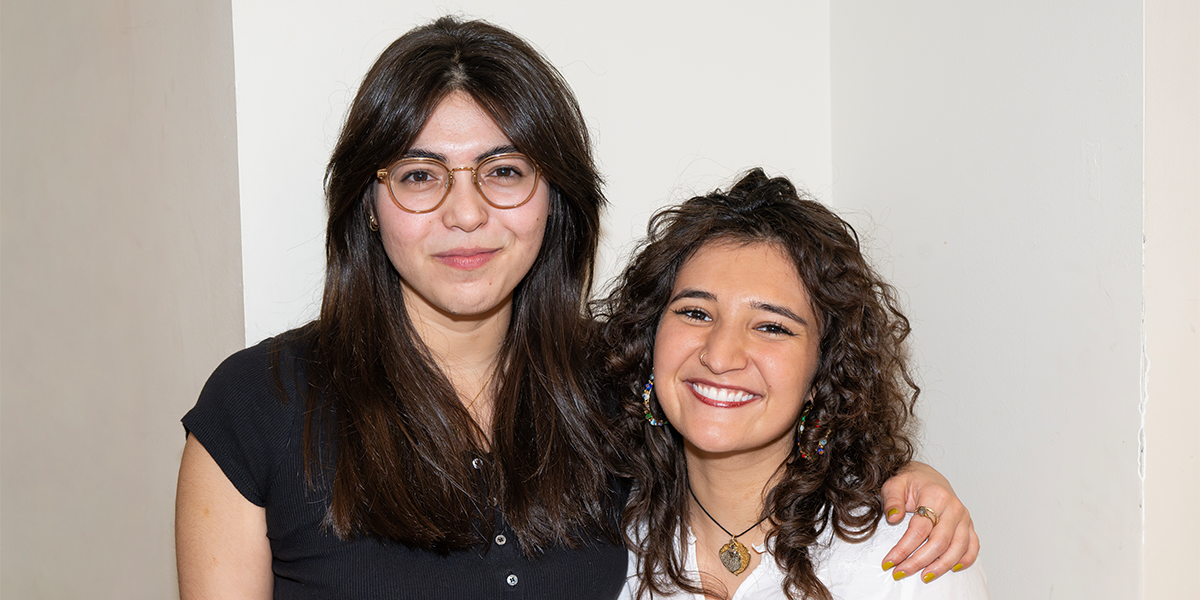
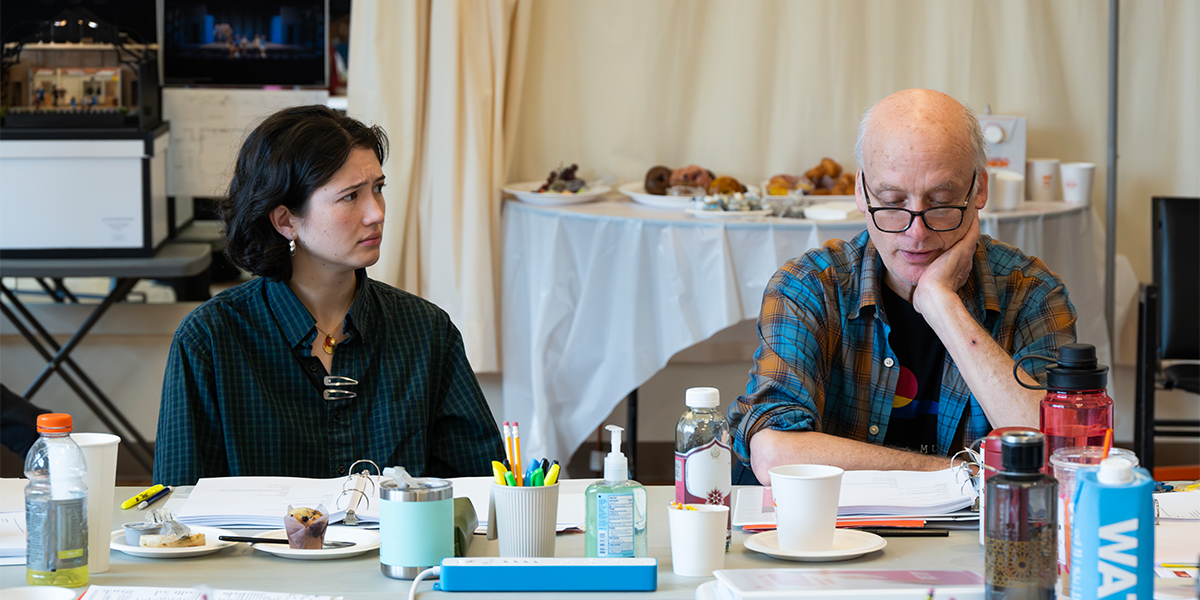
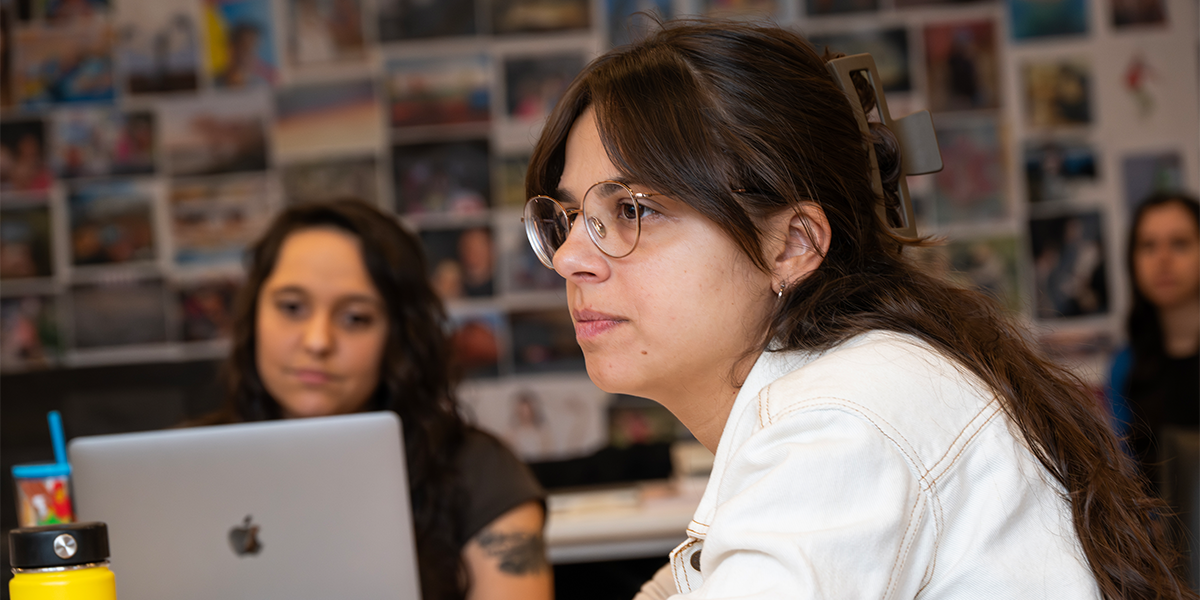
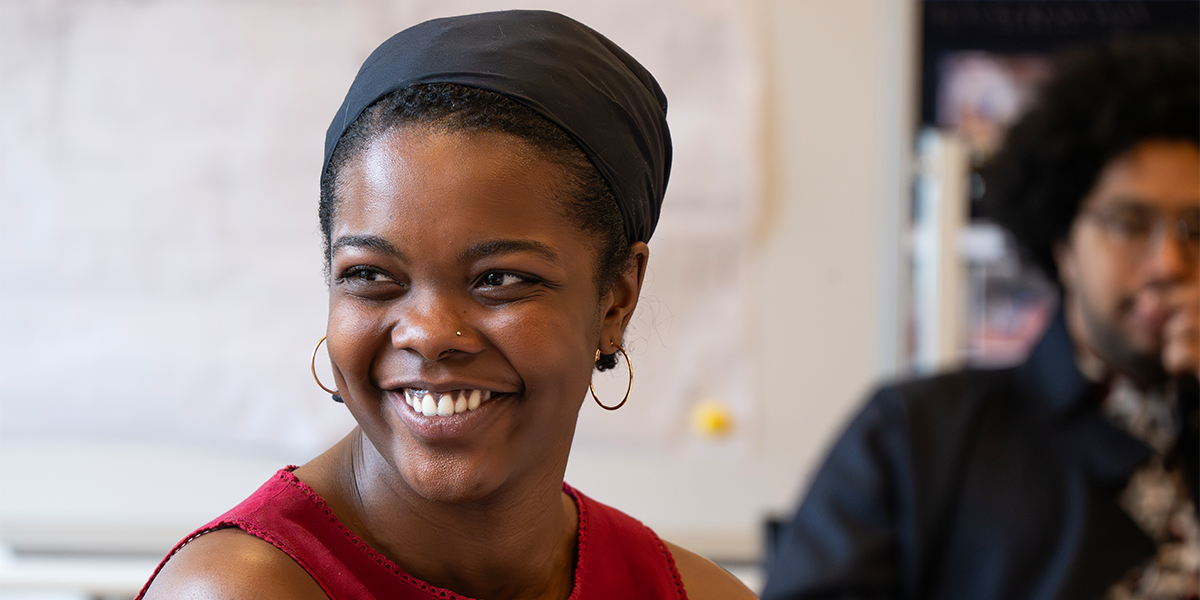
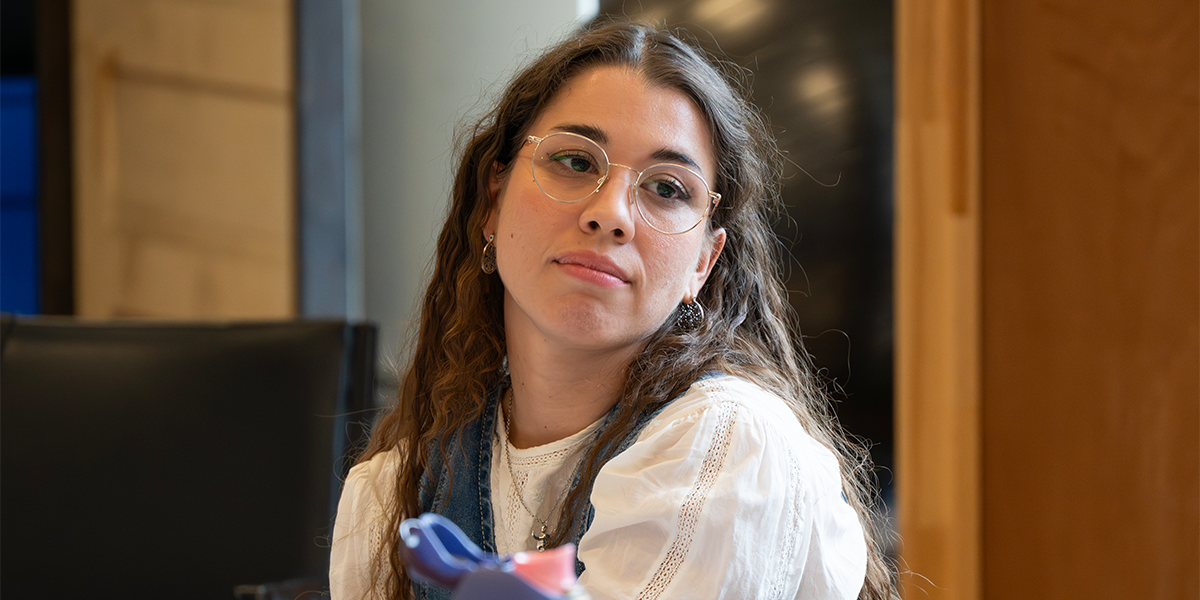
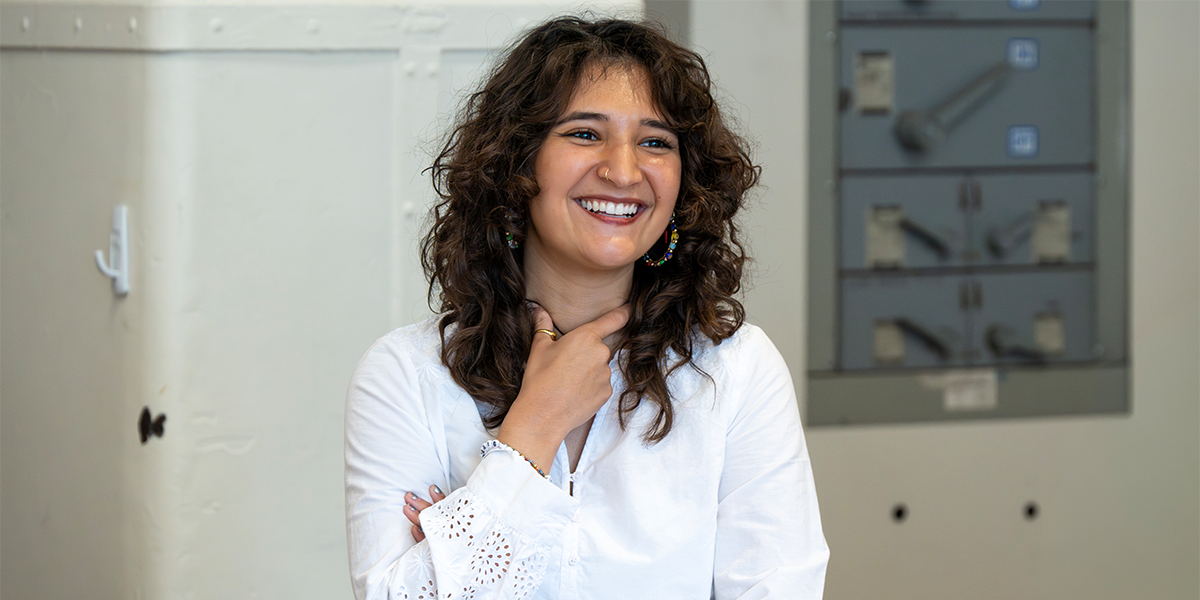
Photo credit: Eliana Theologides Rodriguez, Miranda Cornell, and the cast of Indian Princesses in rehearsal. (Photos by Ahron R. Foster)
Originally published on
Latest News
- 1
Original stars Nikki M. James, Rory O’Malley to return to ‘The Book of Mormon’ on Broadway
- 2
Bernie Williams to join 'Buena Vista Social Club' on Broadway; José "Candelita" Iglesias extends run
- 3
A timeline of the record-setting musical ‘The Fantasticks’
- 4
Six Degrees of Broadway Stages: Connecting all the Broadway shows in the New York Theatre Sale
- 5
Shop the New York Theatre Sale for Broadway ticket deals and more
- 6
10 Broadway artists who are double-booked this season
- 7
Rosie O'Donnell to play two-week run in 'The Rocky Horror Show' during Rachel Dratch's leave
- 8
‘Two Strangers (Carry a Cake Across New York)’ to close on Broadway in November
- 9
New York Theatre Sale returns with limited-time deals on Broadway tickets
- 10
'The Outsiders' tickets now available through July 2027
Related articles

Subscribe to our newsletter to unlock exclusive New York theatre updates!
- Get early access to Broadway's newest shows
- Access to exclusive deals and promotions
- Stay in the know about top shows and news on Broadway
- Get updates on shows that are important to you
You can unsubscribe at any time. Privacy Policy